Feeling better after open-heart surgery is a good sign. But it does not mean your chest has completely healed.
Your body needs time to recover, especially in the case of CABG or Coronary Artery Bypass Grafting where your breastbone is opened during surgery. If you are recovering under the guidance of the best cardiac surgeon in Chennai, following the right precautions can help you return to daily activities safely.
You do not need complete bed rest – in fact you need to slowly start walking, as walking accelerates healing. Also when the doctor gives you the green signal make sure you do the Cardiac Rehab program. You need to avoid activities that put unnecessary strain on your chest and follow the recovery plan given by your surgical team. Recovery also differs based on the type of surgery and your overall health.
What Should You Avoid During the Early Weeks?
These open heart surgery precautions help protect your healing chest while you gradually return to normal activities.
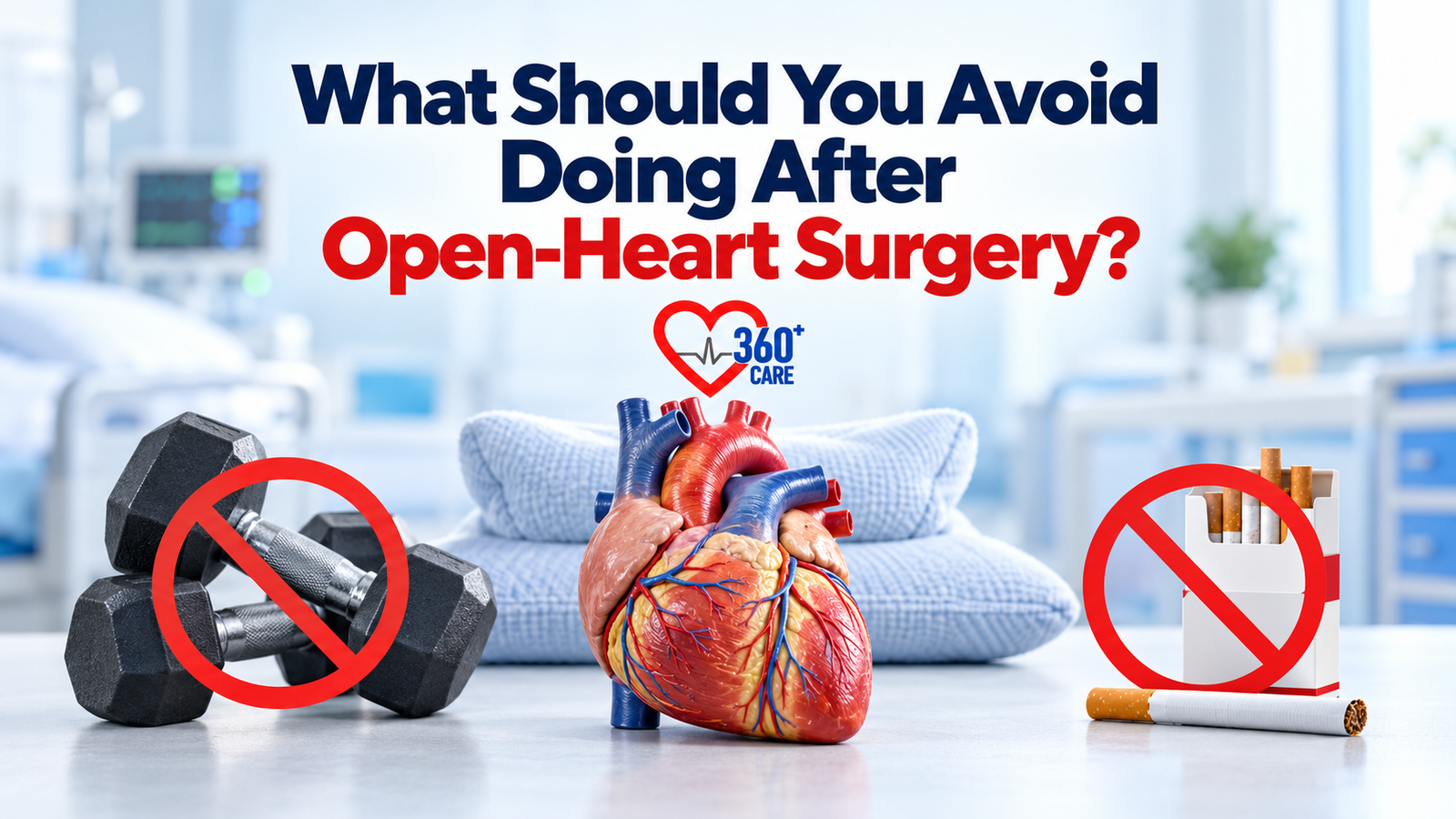
1. Don’t Do Heavy Lifting, Pushing or Pulling
For the first 3 to 6 weeks, even the normal activities you do is putting more pressure on your chest than you realise.
For example, lifting grocery bags, moving furniture, carrying a child, vacuuming or pulling any heavy object can open up the wound.
The American Heart Association advises avoiding lifting, pushing or pulling more than 10 pounds after heart surgery and avoiding activities that strain the chest during the early recovery period. Your surgeon’s instructions take priority because restrictions differ between patients.
2. Doing Exhausting Exercise For Long
Walking and moving around is not the same as doing heavy exercises. Don’t do exercises that involve lifting weight, moving your chest too much, running, or cycling until you’ve recovered well enough or until your doctor advises.
If you are wondering when can I exercise after open heart surgery, the answer depends on your recovery and your doctor’s advice. The best exercise for open heart surgery is doing something light and less movement of the body.
3. Driving Until You Are Cleared
Driving needs you to move the steering around, sudden braking, and physical control of the vehicle. Pain, restricted movement, and some strong medicines will also make it risky for you to drive.
4. Protect Your Surgical Wound
Keep the chest incision clean and follow the wound-care instructions given by your healthcare team.
Avoid rubbing or irritating the incision and do not apply creams, lotions or perfumes directly to it unless your doctor recommends them. Avoid swimming or soaking the wound until it has healed and your doctor says it is safe.
5. Sleeping on Your Stomach or Side
Sleeping on your side or stomach puts pressure on your chest which can cause problems in your recovery, and also lead you to strain your muscles and reopen the wound.
So, until your doctor gives a green signal, sleep on your back. Try keeping pillows around you to avoid sleeping on your side or stomach unconsciously.
6. Eating More For Quicker Recovery
It is common to have reduced appetite after this major open heart surgery. So, don’t try to force yourself to eat large portions.
Instead, you have meals split into 5 times and include more protein-rich foods, vegetables, fruits and other nutritious foods that support recovery. If poor appetite continues or you are losing weight, discuss it with your doctor or dietitian.
7. Drinking More Water Than Your Doctor Recommended
Do not increase your water intake without checking with your doctor. Some patients, particularly those with heart failure or kidney problems, need a specific fluid limit after surgery.
Follow the fluid intake advised by your healthcare team. If you are unsure about how much water you should drink, confirm your daily limit with your doctor.
How Much Can You Actually Do?
Walking is usually an important part of recovery after open heart surgery. Start with short, comfortable walks rather than trying to walk for a long time on the first day. Increase the distance gradually according to your recovery plan.
Stairs are not automatically forbidden either. If your healthcare team has cleared you to use them, climb slowly and take breaks when needed.
What Should You Eat and Drink After Surgery?
Keep your recovery diet simple. Focus on:
- Protein-rich foods such as dal, beans, eggs, fish, chicken or paneer
- Vegetables and fruits
- Whole grains
- Nuts and seeds in appropriate portions
- Heart-healthy fats
Half your plate should have vegetables and the remaining plate should have a quarter protein and a quarter carbohydrates. Always try to walk for 15 mins post your meals, have an early dinner between 6pm-8pm. This gives your body enough time to digest the food and during sleep the energy from the food is utilized for healing instead of digesting.
Limit excess salt, highly processed foods and deep-fried foods. If you have diabetes, kidney disease or heart failure, your diet and fluid needs require individual advice. For practical guidance, you can also discuss a personalised cardiac diet and lifestyle plan.
Smoking should be stopped. Alcohol should also not be resumed without discussing it with your healthcare team, particularly if you are taking medicines that can interact with alcohol.
Don’t Overlook Cardiac Rehabilitation
Cardiac rehabilitation is not simply exercise. It combines structured physical activity with education, lifestyle guidance and support to help you return to daily life safely.
Here your program is designed based on your requirements. The cardiac heart team i.e: your surgeon, cardiologist as well as a dietician and Physiotherapist come up with a plan after assessing your baseline and where you need to be.
Remember, post surgery your body needs monitored and planned help to come back to its original state. It’s when patients ignore post surgical rehab that they start losing their normal movements which in turn reduces their physical activity and makes them more prone for the disease to slowly creep back .
At Heart360 care, we want to make sure your procedure is successful which for us means coming back to a normal healthy lifestyle and enjoying the joys that come with it.
A recent Cochrane review covering 107 randomised trials and 26,886 people with coronary heart disease found that exercise-based cardiac rehabilitation reduced hospital admissions and heart-attack risk compared with no structured exercise.
After bypass surgery, valve surgery or another cardiac procedure, ask your healthcare team whether cardiac rehabilitation for open heart surgery is appropriate for you. Heart360 Care also provides cardiac rehabilitation in Chennai with supervised exercise, monitoring, nutrition and lifestyle support.
When Should You Call Your Doctor?
Contact your healthcare team promptly if you notice:
- Worsening or severe chest pain
- Significant or increasing breathlessness
- Fainting or severe dizziness
- Fever
- Increasing redness, swelling or drainage around the incision
- The wound opening
- Persistent or new clicking with chest instability
- Symptoms that are getting worse instead of gradually improving
If symptoms are severe or sudden, seek emergency medical care rather than waiting for a routine appointment.
Conclusion
Recovery after open-heart surgery is not about avoiding every activity. It is about protecting the healing chest while gradually rebuilding your strength.
Follow your surgical team’s instructions, do not compare your recovery with someone else’s and ask before changing your exercise, diet, fluid intake or medicines.
Looking for best open heart surgery or quick recovery? If you need guidance during recovery, Heart360 Care can help you plan the next steps after cardiac surgery with an experienced best cardiac surgeon in Chennai.
FAQs
1. Can Coughing or Sneezing Reopen My Chest?
No. Coughing or sneezing will not simply reopen the stitches. Support your chest properly if you’re coughing or sneezing to avoid feeling uncomfortable. If you feel pain, wound separation or unusual movement in the breastbone, go see your cardiac surgeon immediately.
2. What If I Hear a Clicking or Popping Sound?
It’s nothing serious. Your sternum was cut, so it’s normal to fear clicking sound. But continuous or new clicking, especially with pain, wound changes or a feeling that the breastbone is moving, needs medical assessment.
3. When can I return to work after open-heart surgery?
The timing depends on the type of surgery, your recovery and the physical demands of your job. Someone with a desk job may return earlier than someone whose work involves lifting or physical labour. Ask your surgeon when you are ready to resume your specific work routine.
4. How long does it take to recover from open-heart surgery?
Anywhere between 12 to 18 weeks or more. Your surgery type, age, complications, and health condition also plays an important role in your recovery time.
5. Who is the best cardiac surgeon in Chennai for open-heart surgery?
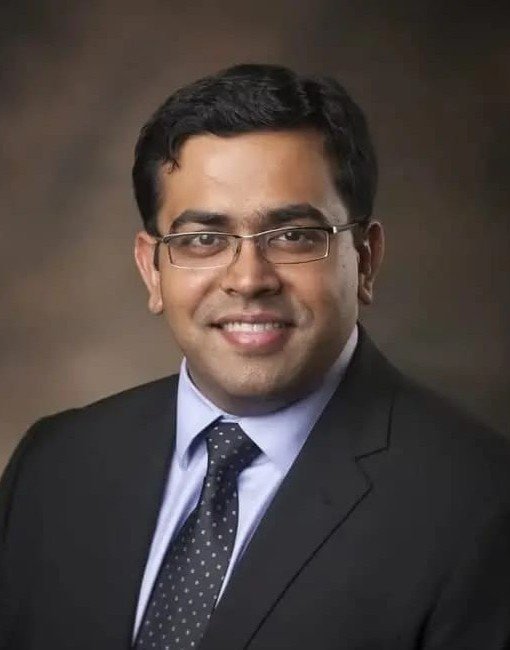
Dr. Nikhil P.J. Theckumparampil is one of the best cardiac surgeons in Chennai, with expertise in open-heart surgery. Patients also value his calm, polite approach and the way he explains treatment options clearly and provides personalised care.